
T: +86-0731-85185770
E: enquiry@qilumetal.com
E: enquiry@qilumetal.com
No. 18 Xiangfu Middle Road,Yuhua District, Changsha City
Views: 0 Author: Site Editor Publish Time: 2026-06-23 Origin: Site


Have you ever wondered how steel becomes stronger and more durable? Steel heat treatment is the key process that transforms ordinary steel into high-performance materials. In this article, we'll explore the definition of steel heat treatment, its importance in manufacturing, and the common methods used to enhance steel properties.
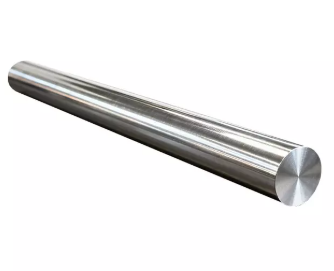
Normalizing is a heat treatment method used to refine the microstructure of steel. The process involves heating the steel to a temperature typically between 20° to 40° C above its upper critical temperature. This allows the steel to transform into austenite, a phase that can dissolve carbides. After holding the steel at this temperature for a specified period, it is cooled in still air. This cooling process helps to create a uniform grain structure, resulting in improved mechanical properties.
Normalizing offers several advantages for steel production:
Uniform Microstructure: The process promotes a consistent grain structure, which enhances the material's overall strength and toughness.
Improved Ductility: Normalizing increases the ductility of steel, making it easier to work with during subsequent manufacturing processes.
Stress Relief: By relieving internal stresses developed during manufacturing, normalizing reduces the risk of warping or cracking in the final product.
Enhanced Machinability: The refined microstructure aids in better machinability, allowing for more precise machining operations.
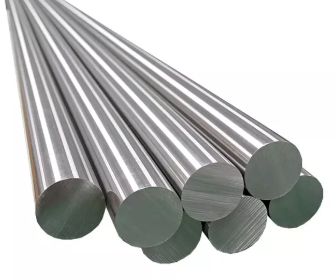
Normalized steel is widely used in various applications due to its enhanced properties. Common uses include:
Structural Components: Beams, columns, and other structural elements benefit from the improved strength and reliability of normalized steel.
Machinery Parts: Components such as gears, shafts, and axles require the toughness and ductility provided by normalized steel.
Automotive Industry: Many automotive parts are made from normalized steel to ensure durability and performance under stress.
Construction: Normalized steel is often used in construction applications where high strength and resilience are required.
In summary, normalizing is a crucial heat treatment method that enhances the properties of steel, making it suitable for various demanding applications.
Annealing is a heat treatment process designed to soften steel, adjust its crystalline structure, and relieve internal stresses. The primary goal is to enhance ductility and improve the material's workability. During annealing, steel is heated to a specific temperature, typically below its critical temperature, and then allowed to cool slowly. This controlled process helps to create a more uniform microstructure, which is essential for subsequent manufacturing operations.
There are several types of annealing, each tailored to specific applications:
Full Annealing: This involves heating the steel to a temperature above its critical range and then cooling it slowly. It is used to relieve internal stresses and refine the microstructure.
Stress Relieving Annealing: This type is performed at lower temperatures and aims to reduce residual stresses caused by previous processing, such as welding or machining.
Intermediate Annealing: Applied during the production of cold-worked steel, this process softens the material to facilitate further shaping or forming.
Spheroidizing: In this process, the steel is heated to just below the critical temperature for an extended period, leading to the formation of spheroidal carbide particles. This improves machinability.
Bright Annealing: Conducted in a controlled atmosphere to prevent oxidation, this method results in a bright, smooth surface finish, making it ideal for stainless steel products.
Annealing offers numerous benefits in steel production:
Improved Ductility: The process enhances the material's ability to deform without fracture, making it easier to work with during machining and forming.
Stress Relief: By reducing internal stresses, annealing minimizes the risk of warping or cracking in the final product.
Enhanced Machinability: The refined microstructure resulting from annealing allows for smoother cutting and shaping, improving the overall efficiency of manufacturing processes.
Uniform Microstructure: Annealing promotes a consistent grain structure, which enhances the mechanical properties of the steel, leading to better performance in applications.
Improved Surface Quality: Bright annealing, in particular, results in a clean, polished surface that is desirable for aesthetic and functional applications.
In summary, annealing is a vital heat treatment process that significantly improves the properties of steel, making it suitable for a wide range of applications, from automotive components to structural materials.
Quenching is a crucial heat treatment process used to harden steel. It involves heating the steel to a high temperature, typically above its critical point, and then rapidly cooling it using a quenching medium. This medium can be water, oil, or air, depending on the desired properties of the steel. The primary purpose of quenching is to transform the microstructure of the steel into martensite, a hard and brittle phase that significantly increases the hardness and strength of the material.
There are several quenching methods, each tailored to specific applications and desired properties:
Water Quenching: This is the most common method where steel is submerged in water. It provides rapid cooling but can lead to warping or cracking due to thermal stresses.
Oil Quenching: In this method, oil is used as the cooling medium. It cools the steel more slowly than water, reducing the risk of distortion while still achieving significant hardness.
Air Quenching: This method uses air to cool the steel. It is often employed for low-alloy steels or when minimal distortion is critical. Air quenching results in lower hardness compared to water or oil quenching.
Salt Bath Quenching: This advanced technique involves immersing the steel in a molten salt bath, which provides uniform cooling and minimizes distortion. It can be used for complex shapes or large components.
Martempering: A controlled quenching process where the steel is cooled to just above the martensite transformation temperature before being rapidly cooled. This method reduces internal stresses and the risk of cracking.
Austempering: Similar to martempering, this technique involves cooling the steel to a specific temperature and holding it there to allow transformation into a bainitic structure, which offers a good balance of strength and toughness.
Quenching has a profound impact on the properties of steel. The rapid cooling process alters the microstructure, resulting in increased hardness and strength. However, it also introduces residual stresses, which can lead to warping or cracking if not managed properly.
Increased Hardness: Quenching transforms the austenite phase into martensite, significantly increasing the hardness of the steel. This is particularly beneficial for tools and components that require high wear resistance.
Reduced Ductility: While hardness increases, ductility often decreases. This trade-off must be considered when selecting steel for specific applications.
Residual Stresses: The rapid temperature changes during quenching can induce internal stresses. Proper tempering after quenching is essential to relieve these stresses and enhance the overall toughness of the steel.
Microstructure Control: By adjusting the quenching medium and cooling rates, manufacturers can control the final microstructure, tailoring the steel properties to meet specific application requirements.
In summary, quenching is a vital heat treatment technique that enhances the hardness and strength of steel. Understanding the different quenching methods and their effects on steel properties allows manufacturers to select the appropriate technique for their specific needs.
Tempering is a heat treatment process applied to steel after it has been quenched. The main goal is to reduce the brittleness induced by quenching while enhancing toughness and ductility. In this process, steel is reheated to a temperature below its critical point, typically between 150°C to 700°C, depending on the desired properties. This controlled heating allows for the transformation of the hard, brittle martensite formed during quenching into a more stable microstructure.
The tempering process involves several key steps:
Heating: The quenched steel is heated uniformly to the specified tempering temperature.
Holding: The steel is held at this temperature for a predetermined period, allowing for the diffusion of carbon atoms within the microstructure.
Cooling: After the holding period, the steel is cooled, usually in air. This cooling process solidifies the new microstructure.
The duration and temperature of tempering significantly influence the final properties of the steel. Higher temperatures generally lead to increased toughness but reduced hardness, while lower temperatures preserve more hardness at the expense of toughness.
Tempering offers several benefits that enhance the performance and lifespan of steel products:
Increased Toughness: By reducing brittleness, tempering improves the material's ability to absorb energy and resist fracture under stress.
Improved Ductility: Tempered steel can deform more easily without breaking, which is vital for applications requiring shaping and forming.
Enhanced Stability: The tempering process stabilizes the microstructure, reducing the risk of dimensional changes and warping during further processing or in service.
Controlled Hardness: By adjusting the tempering temperature, manufacturers can fine-tune the hardness levels to meet specific application requirements.
Tempering is essential for steel components used in high-stress applications, such as gears, axles, and structural elements, where a balance of strength and toughness is critical.
Surface hardening is a vital process in steel heat treatment that enhances the hardness and wear resistance of a material's surface while maintaining a softer, ductile core. This technique is essential for components that require high surface durability, such as gears, shafts, and other machinery parts. By selectively hardening only the surface, manufacturers can achieve a balance between toughness and hardness, minimizing the risk of fracture while maximizing wear resistance.
Several methods exist for surface hardening, each with its unique processes and benefits:
Carburizing:
This process involves heating low-carbon steel in the presence of a carbon-rich environment. The steel absorbs carbon, forming a hard surface layer while the core remains softer.
Carburizing typically requires high temperatures (around 900°C to 950°C) and is followed by quenching to lock in the hardness.
It is commonly used for gears and crankshafts, where a hard surface is essential for wear resistance.
Nitriding:
Nitriding introduces nitrogen into the steel surface at elevated temperatures (around 500°C to 550°C).
This process creates a hard, wear-resistant surface layer and improves fatigue strength.
Unlike carburizing, nitriding does not require quenching, which reduces the risk of distortion.
It is particularly effective for high-strength steels and is often used in applications such as automotive components and tooling.
Induction Hardening:
Induction hardening uses electromagnetic induction to heat the steel surface rapidly.
The heated area is then quenched, leading to a hardened surface layer.
This method is highly efficient and allows for selective hardening of specific areas, making it ideal for complex shapes and components.
It's commonly applied to gears, shafts, and other high-stress components.
Surface hardening techniques are widely applicable across various industries, including automotive, aerospace, and manufacturing. The benefits of these methods include:
Increased Wear Resistance: Surface hardening significantly enhances the wear resistance of components, extending their service life.
Improved Fatigue Strength: By hardening the surface while keeping the core ductile, these methods improve the fatigue strength of parts under cyclic loading.
Cost-Effectiveness: Surface hardening can reduce the need for costly materials by allowing manufacturers to use lower-cost substrates while achieving desired performance characteristics.
Tailored Properties: Manufacturers can customize the hardness profile of components to meet specific application requirements, ensuring optimal performance.
These techniques are essential for producing reliable and durable steel components that can withstand demanding operational conditions.
Laser hardening is an advanced surface heat treatment technique that employs a high-powered laser beam to selectively harden the surface of steel components. This method is gaining popularity due to its precision and efficiency. During the process, the laser heats the surface of the steel rapidly, causing it to transform into a hard, martensitic phase.
One of the primary advantages of laser hardening is its ability to achieve high hardness levels, typically between 55 to 65 HRC, at a depth of 0.3 to 0.8 mm. This makes it ideal for components that require a hard surface while maintaining a ductile core. Additionally, the laser treatment minimizes distortion, as it involves a short heating duration and does not require subsequent quenching. This is particularly beneficial for complex geometries and components where dimensional stability is critical.
Laser hardening is widely used in various applications, including:
Gears: Enhancing surface durability while maintaining dimensional accuracy.
Shafts: Improving wear resistance in rotating components.
Tooling: Extending the life of tools used in machining and manufacturing processes.
Flame hardening is another effective surface hardening method. It involves applying a high-temperature flame directly to the steel surface. The flame heats the material rapidly, followed by immediate cooling, usually with water or air, to achieve hardening.
While flame hardening is less controlled than laser hardening, it is still effective for certain applications. The technique is often used for large components or areas where localized hardening is required, such as the edges of steel plates or the surfaces of machinery parts.
Key benefits of flame hardening include:
Cost-Effectiveness: It is generally less expensive than laser hardening due to lower equipment costs.
Simplicity: The process is straightforward and can be applied on-site without the need for specialized facilities.
However, achieving uniform hardness can be challenging, and care must be taken to avoid overheating, which could lead to warping or cracking.
The field of steel heat treatment is continuously evolving, with several emerging trends that are shaping the future of the industry:
Automation and Smart Technologies: Advanced automation in heat treatment processes is becoming common. Smart technologies, such as IoT sensors and AI, help monitor and control parameters in real-time, ensuring optimal results and reducing human error.
Environmentally Friendly Methods: There is a growing emphasis on sustainable practices. Techniques that minimize energy consumption and reduce emissions are gaining traction. For instance, the adoption of induction heating, which is energy-efficient and produces less waste heat, is increasing.
Hybrid Techniques: Combining different heat treatment methods is becoming popular. For example, using laser hardening followed by traditional tempering can enhance properties further, leading to better performance in demanding applications.
Research and Development: Ongoing research into new materials and heat treatment processes is crucial. Innovations in alloying elements and treatments can lead to improved mechanical properties and performance.
These trends indicate a shift towards more efficient, sustainable, and effective heat treatment methods, ensuring that steel components meet the ever-increasing demands of modern applications.
Steel heat treatment methods, including normalizing, annealing, quenching, tempering, and surface hardening, enhance steel properties. Each method serves unique applications, balancing strength, ductility, and wear resistance. Continued innovation is crucial for improving efficiency and sustainability in these processes. Selecting the appropriate heat treatment method is vital for achieving desired performance in steel components. Hunan Qilu Steel Co., Ltd. offers high-quality steel products that combine advanced heat treatment techniques, ensuring exceptional durability and value for various applications.
A: Steel heat treatment refers to various processes used to alter the physical and sometimes chemical properties of steel to improve its performance, such as hardness, ductility, and strength.
A: Steel heat treatment is crucial because it enhances the material's mechanical properties, making it suitable for various applications, including structural components and machinery parts.
A: Normalizing focuses on refining the microstructure for uniformity, while annealing primarily aims to soften the steel and relieve internal stresses.
A: Quenching increases the hardness and strength of steel by transforming its microstructure into martensite, making it ideal for tools and high-stress components.
A: The cost of steel heat treatment varies based on the method used, material type, and processing requirements, but it generally involves labor, equipment, and energy expenses.