
T: +86-0731-85185770
E: enquiry@qilumetal.com
E: enquiry@qilumetal.com
No. 18 Xiangfu Middle Road,Yuhua District, Changsha City
Views: 0 Author: Site Editor Publish Time: 2026-06-24 Origin: Site


Are you tired of equipment wearing out too quickly? Wear resistant steel could be the solution you need. This durable material plays a crucial role in various industrial applications, extending the lifespan of machinery and reducing maintenance costs.
In this article, you'll learn about the benefits of wear resistant steel and how it can improve performance in demanding environments.
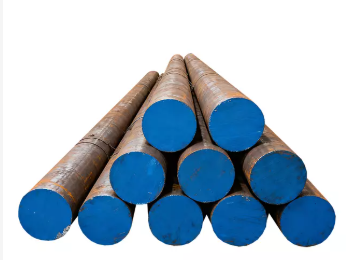
When selecting wear resistant steel for various applications, understanding its key properties is crucial. This section dives into three main characteristics: hardness, tensile strength and impact resistance, and corrosion resistance and durability. Each property plays a vital role in determining the overall performance and longevity of wear resistant steel in industrial settings.
Hardness is a primary factor in wear resistance. It measures a material's ability to withstand deformation and indentation. Higher hardness typically translates to better performance in abrasive environments. For example, steels with a hardness rating above 60 HRC are often favored in heavy-duty applications, such as mining and construction, due to their superior wear resistance.
Industries often utilize materials like Hardox, which showcases hardness levels between 500 and 600 Brinell. This makes it ideal for components like bucket wear plates and chutes, where contact with abrasive materials occurs frequently. The correlation between hardness and wear resistance is significant; as hardness increases, the wear rate decreases, leading to enhanced durability and reduced maintenance costs.
Tensile strength refers to the maximum stress a material can withstand while being stretched or pulled before failing. It’s essential for components that endure dynamic loads and impacts. High tensile strength ensures that the steel can handle significant forces without fracturing, making it suitable for applications such as structural components and heavy machinery.
Impact resistance is another critical property, especially in environments where sudden shocks or impacts occur. Materials that combine high hardness with good tensile strength tend to perform better under these conditions. For instance, alloyed steels, which often include elements like chromium and molybdenum, enhance both hardness and impact resistance. This combination is crucial for industries like construction and manufacturing, where equipment is subject to heavy loads and potential impacts.
Corrosion resistance is vital for wear resistant steel, especially in environments exposed to moisture, chemicals, or other corrosive elements. Steel components that resist corrosion last longer and require less maintenance, leading to cost savings over time.
The presence of alloying elements can significantly enhance corrosion resistance. For example, chromium is known for its ability to form a protective oxide layer, which helps prevent rust and degradation. Additionally, the durability of wear resistant steel is often linked to its microstructure. A fine-grained structure can improve toughness and wear resistance, enabling the material to perform optimally even in harsh conditions.
In summary, the key properties of wear resistant steel—hardness, tensile strength and impact resistance, and corrosion resistance—are essential for ensuring the longevity and effectiveness of steel components in various industrial applications. Understanding these properties allows engineers and project managers to select the appropriate materials tailored to their specific needs.
Improving the wear resistance of steel is essential for enhancing its performance in various industrial applications. Different methods can be employed to achieve this, and each has its unique advantages. Here, we explore three primary methods: surface modification techniques, coating applications, and heat treatment processes.
Surface modification involves altering the surface properties of steel to improve its wear resistance without changing the bulk properties. Techniques such as carburizing and nitriding are commonly used.
Carburizing: This process introduces carbon into the surface layer of the steel, resulting in a hard martensitic structure. It enhances surface hardness while maintaining a ductile core, making it suitable for components exposed to high wear.
Nitriding: In this method, nitrogen is diffused into the surface of the steel, creating a hard, wear-resistant layer. This treatment improves both wear and fatigue resistance, making it ideal for parts that experience repeated stress.
Coating applications are another effective way to enhance the wear resistance of steel. Various materials can be applied to the surface, providing protective barriers against wear and corrosion.
Hard Coatings: Coatings made from materials like chromium, titanium, or ceramic can significantly improve wear resistance. For example, titanium nitride (TiN) coatings are known for their hardness and ability to withstand high temperatures, making them ideal for cutting tools and dies.
Electroplating: This technique deposits a layer of metal onto the steel surface, enhancing its hardness and resistance to wear. Hard chromium plating is commonly used in applications where high wear resistance is required.
Heat treatment is a critical process for improving the mechanical properties of steel, including its wear resistance. Different heat treatment methods can be applied depending on the desired characteristics.
Quenching and Tempering: This involves heating the steel to a high temperature and then rapidly cooling it (quenching) to form a hard structure. Tempering is then applied to reduce brittleness while retaining hardness. This combination is effective for achieving a balance of hardness and toughness.
Induction Hardening: This method uses electromagnetic induction to heat the surface of the steel rapidly, followed by quenching. It allows for selective hardening of specific areas, which is beneficial for components that require wear resistance in targeted regions.
By implementing these methods, manufacturers can significantly improve the wear resistance of steel components, extending their lifespan and reducing maintenance costs. Each method has its applications and benefits, making it crucial to select the appropriate technique based on the specific requirements of the steel parts and the conditions they will encounter.
To enhance the wear resistance of steel, several advanced techniques are employed. These methods not only improve the surface properties but also ensure that the steel can withstand harsh industrial environments. Here, we will discuss three prominent techniques: nitriding and its limitations, deep cryogenic treatment and its benefits, and isothermal hardening processes.
Nitriding is a heat treatment process that introduces nitrogen into the surface of steel. This creates a hard, wear-resistant layer that enhances both wear and fatigue resistance. It’s commonly used for components like gears and shafts that experience high stress. However, nitriding does have its limitations.
One significant drawback is that it primarily benefits low-alloy steels and may not be as effective on high-carbon or stainless steels. Additionally, the process can lead to a reduction in corrosion resistance due to the formation of nitrides that deplete chromium at the surface. This depletion can make the steel more susceptible to corrosion, especially in environments with moisture or chemicals.
Deep cryogenic treatment (DCT) is an innovative method that involves cooling steel to temperatures below -125 °C, often using liquid nitrogen. This process has several advantages:
Transformation of Retained Austenite: DCT helps convert retained austenite into martensite, significantly increasing the hardness of the steel. This transformation enhances wear resistance and durability.
Improved Microstructure: The cooling process refines the microstructure, leading to a finer distribution of carbides. This uniformity contributes to better wear resistance.
Reduced Brittleness: By controlling the cooling rate, DCT can reduce brittleness, allowing the steel to maintain toughness even at higher hardness levels.
Research indicates that DCT can improve wear resistance by up to 50%, making it a valuable technique for critical components in industries like aerospace and automotive.
Isothermal hardening is another effective method to improve wear resistance. This process involves heating steel to a specific temperature, holding it there for a set duration, and then cooling it at a controlled rate. The benefits include:
Controlled Microstructure Development: By maintaining a specific temperature during cooling, manufacturers can achieve a desired microstructure, such as a mix of martensite and bainite. This balance can enhance both hardness and toughness.
Increased Wear Resistance: Steels subjected to isothermal hardening often exhibit superior wear resistance compared to those treated through traditional quenching methods. The process allows for a more uniform hardness profile across the component.
Versatility: Isothermal hardening can be applied to various steel grades, making it suitable for a wide range of applications, from heavy machinery to precision tools.
Utilizing these advanced techniques can significantly enhance the performance and lifespan of wear-resistant steel components. Each method has its unique advantages and limitations, and the choice of technique should align with the specific requirements of the application.
When it comes to wear resistant steel, understanding the different types available is crucial for selecting the right material for specific applications. Each type of wear resistant steel has distinct characteristics that make it suitable for various industrial uses. In this section, we will explore three primary categories: high-carbon martensitic steel, alloyed steel, and composite steel plates.
High-carbon martensitic steel is known for its exceptional hardness and wear resistance. This type of steel typically contains a carbon content of 0.5% to 1.2%, which allows it to achieve hardness levels between 500 and 600 Brinell.
Applications: It is commonly used in harsh environments, such as mining and construction, where equipment faces high abrasion and impact. Components like bucket wear plates and cutting tools benefit from its robust properties.
Example: Hardox is a popular brand of high-carbon martensitic steel, widely recognized for its durability and performance in demanding applications.
Alloyed steel incorporates various alloying elements, such as chromium, molybdenum, and nickel, to enhance its mechanical properties. These additions improve not only wear resistance but also toughness and ductility.
Advantages: Alloyed steels can withstand significant stress and impact, making them ideal for applications that require a balance between hardness and flexibility. They are less brittle than high-carbon martensitic steels, which can be advantageous in dynamic environments.
Applications: Commonly used in rock crushers, chutes, and other machinery that experiences moderate wear conditions.
Composite steel plates combine different materials to achieve superior wear resistance while maintaining a lightweight structure. These plates often feature a hard overlay of wear resistant material bonded to a more ductile substrate.
Benefits: The combination allows for high abrasion resistance while ensuring the overall component remains manageable in weight. This is particularly useful in industries like automotive and aerospace, where weight reduction is critical.
Applications: Used in various applications, including liners for chutes, hoppers, and other equipment that encounters abrasive materials.
In summary, the choice of wear resistant steel type greatly influences the performance and longevity of components in industrial applications. High-carbon martensitic steels excel in extreme conditions, while alloyed steels provide a balance of hardness and ductility. Composite steel plates offer innovative solutions for weight-sensitive applications. By understanding these differences, engineers and project managers can make informed decisions tailored to their specific operational needs.
Handling and fabricating wear resistant steel requires careful attention to detail to ensure optimal performance and longevity. Here are some best practices to follow:
Use Appropriate Equipment: Always use the right lifting tools and equipment. This helps prevent deformation during transport. For instance, cranes or hoists should be used for heavy plates to avoid bending or warping.
Inspect Before Use: Check for any surface defects or damage before starting work. Minor scratches can affect the steel's wear resistance, so addressing these issues early is crucial.
Avoid Contact with Hard Surfaces: When moving steel, avoid dragging it across hard surfaces. Instead, use padded slings or protective barriers to minimize contact.
Preheating: Preheating the steel before cutting or welding is essential. It can reduce the risk of cracking and distortion. A typical preheating temperature is around 200°F (93°C), but this may vary based on the specific steel grade.
Cutting Techniques: Use precision cutting methods, such as plasma cutting or laser cutting, to maintain the integrity of the material. These methods minimize heat input, reducing the risk of warping.
Welding Considerations: When welding wear resistant steel, choose appropriate techniques like submerged arc welding. This method helps maintain the mechanical properties of the steel and enhances its durability.
Select the Right Filler Material: Using a filler material compatible with the base steel is vital. This ensures a strong bond and maintains wear resistance in the welded joint.
Control Heat Input: Excessive heat can alter the microstructure of the steel, leading to reduced wear resistance. Monitor the welding parameters closely to avoid overheating.
Post-Weld Treatment: After welding, consider post-weld heat treatment to relieve stresses and restore mechanical properties. This step can enhance the overall durability of the welded component.
Testing and Inspection: Conduct regular inspections of welded joints to ensure they meet quality standards. Non-destructive testing methods, like ultrasonic testing, can help identify any flaws.
By following these best practices, manufacturers can effectively handle and fabricate wear resistant steel, ensuring the material performs optimally in demanding applications. Proper techniques not only enhance the durability of the steel but also reduce maintenance costs and extend the service life of components.
When selecting wear resistant steel for industrial applications, understanding the cost implications is vital. The initial price of the material can vary significantly based on its composition, manufacturing processes, and specific properties. However, considering the long-term savings associated with durability and performance can make a significant difference in overall project costs.
The upfront cost of wear resistant steel may be higher than standard steel options. For example, high-carbon martensitic steels or alloyed steels often come at a premium due to their enhanced properties. However, investing in these materials can lead to substantial savings over time. Components made from wear resistant steel typically have longer lifespans and require less frequent replacements. This reduced need for maintenance and replacement parts can offset the initial investment.
Conducting a life cycle cost analysis is essential when evaluating wear resistant steel options. This analysis considers not only the purchase price but also installation, maintenance, and operational costs throughout the material's lifespan. For instance, a study by the International Journal of Materials Science indicated that using wear resistant steel can reduce wear rates by up to 50%. This reduction directly translates to lower maintenance costs and increased operational efficiency, making it a financially sound choice in the long run.
Choosing the appropriate grade of wear resistant steel can significantly impact budget optimization. Different grades offer varying levels of hardness, toughness, and wear resistance. For example, high-carbon martensitic steel, while more expensive, provides exceptional wear resistance, making it suitable for high-impact applications like mining and construction. Conversely, alloyed steels may be more cost-effective for applications with moderate wear conditions.
To maximize budget efficiency, consider the specific application requirements and environmental factors. If the steel will be exposed to corrosive conditions, selecting a grade with enhanced corrosion resistance may be worth the investment. This proactive approach can prevent premature failure and costly repairs.
Understanding the cost considerations when selecting wear resistant steel is crucial for project managers and engineers. While the initial investment may be higher, the long-term savings from reduced maintenance and extended service life can significantly outweigh these costs. Conducting a life cycle cost analysis and selecting the right grade tailored to specific needs can optimize budgets and enhance overall project success.
Improving steel wear resistance involves understanding key properties like hardness, tensile strength, and corrosion resistance. Techniques such as surface modification, coating applications, and heat treatments enhance these properties. Emerging technologies, like deep cryogenic treatment, show promise for future advancements. Ongoing research is essential for developing even more effective wear-resistant materials. Hunan Qilu Steel Co., Ltd. offers high-quality wear-resistant steel products that provide exceptional durability and performance, ensuring value for industrial applications.
A: Wear resistant steel is a type of steel specifically designed to withstand abrasion and wear, making it ideal for applications in harsh environments.
A: Improving wear resistant steel can be achieved through methods such as surface modification, coating applications, and heat treatment processes.
A: Wear resistant steel is crucial because it enhances durability, reduces maintenance costs, and extends the lifespan of components in demanding environments.
A: The benefits of wear resistant steel include increased hardness, enhanced tensile strength, and improved corrosion resistance, leading to better performance and longevity.
A: Wear resistant steel typically offers superior hardness and durability compared to regular steel, making it better suited for high-abrasion applications.