
T: +86-0731-85185770
E: enquiry@qilumetal.com
E: enquiry@qilumetal.com
No. 18 Xiangfu Middle Road,Yuhua District, Changsha City
Views: 0 Author: Site Editor Publish Time: 2026-01-09 Origin: Site


You see tool steel is tough and reliable. This metal is special because it mixes hardness, toughness, and wear resistance. These qualities help tool steel do hard work and not break. The secret is adding special alloying elements. Heat treatment changes the inside and makes it stronger. If you ask how tool steel is made, you find out the process gives it its strong nature.
Tool steel lets you trust your tools in every hard job.
Tool steel is hard and tough. It does not wear out easily. This makes it great for hard jobs.
Tool steel has a lot of carbon. This makes it strong and sharp. But too much carbon can make it break easily.
Heat treatment like hardening and tempering helps tool steel work better. It keeps it hard and tough at the same time.
Picking the right tool steel grade is very important. It helps tools last longer and work better for each job.
Tool steel can be recycled. It is good for the environment. This makes it a smart choice for making things.
Tool steel is very hard and does not wear out fast. Hardness means it does not scratch or dent easily. This metal gets hard because of what is inside it and how it is heated. Tool steel often has a hardness of 60 on the Rockwell scale. This helps tools keep their shape and sharp edge during hard work.
Metal | Hardness (Rockwell) |
|---|---|
Tool Steel | 60 |
Tool steel is great at fighting wear. Your tools last longer and stay sharp. Carbon in tool steel makes it strong and tough. More carbon means more hardness and less bending. When you look at other metals, tool steel is better at not wearing down.
Steel Type | Wear Resistance |
|---|---|
High-Speed Steels | Superior |
High-Carbon Steel | Moderate |
High-speed steels are best for cutting fast because they resist wear.
High-carbon steel is tough but wears out quicker than tool steel.
You get good wear resistance from tool steel. Your tools stay sharp and strong for a long time.
Tool steel is tough and can take hits without breaking. This is important when tools get hit or carry heavy things. Toughness and impact strength stop tools from cracking or snapping. Tests like Charpy show how much energy tool steel can take before breaking.
Metal/Alloy | Charpy Values (Joules) | Charpy Values (ft.lbs) |
|---|---|---|
Tool Steel | 26 | 19 |
Tool steel’s toughness helps it do hard jobs. It is both hard and tough, so it is good for strong and bendy jobs. It also does not change shape under pressure.
Tip: Pick tool steel if you want tools that last long and do not break easily.
Tool steel works well even when it gets hot. You need tools to stay hard and strong in heat. Tool steel does this better than most other steels. High-speed steels work between 400 and 600 degrees Celsius. Hot work tool steels stay strong up to 540 degrees Celsius.
Property | Tool Steel Characteristics | Other Steels Characteristics |
|---|---|---|
Hardness | Stays hard when it gets hot | Gets soft when it gets hot |
Strength | Stays strong because of special elements | Can get weak in heat |
Applications | Good for cutting and shaping in heat | Not as good for hot jobs |
Tool steels like H13 stay hard and strong in heat.
You can use tool steel for cutting and shaping things when it is hot.
Heat-resistant tool steels do not break when temperatures change fast.
You can trust tool steel in hard places. Tool steel is hard, tough, does not wear out fast, and works well in heat. That is why it is the best for tough jobs.
You find carbon in every type of tool steel. Carbon gives tool steels their strength and hardness. Most tool steels have carbon levels between 0.5% and 1.5%. This range helps your tools stay sharp and resist wear. When you use high carbon tool steel, you get better cutting edges and longer tool life. Carbon also forms carbides with other elements, which boost performance.
Carbon content: 0.5% to 1.5%
Improves hardness and wear resistance
Helps tools keep a sharp edge at high temperatures
Forms carbides for extra strength
If you increase the carbon in tool steel, you make it harder and more wear-resistant. You must remember that more carbon can make tool steels brittle. Brittle steel may crack under heavy stress, so you need to choose the right grade for your job.
Chromium and vanadium play big roles in tool steel grades. Chromium makes tool steels harder and protects them from rust. You see chromium levels around 4% in high-speed tool steels. Vanadium helps tool steels stay tough and strong. You often find vanadium at 1% or more, sometimes up to 3%. Vanadium forms stable carbides, which improve wear resistance.
Chromium boosts corrosion resistance and depth hardening. Vanadium refines the grain structure during heat treatment. This makes tool steels stronger and tougher. When you add 0.2% vanadium to high-chromium steel, you get a Rockwell hardness of 56.2 HRC and impact toughness of 113.5 J. Vanadium also improves corrosion resistance, so your tools last longer.
You need to balance hardness and toughness when you pick tool steel grades. Metallurgists use three steps:
Austenitising: Heat the steel to change its structure.
Quenching: Cool it fast to make it hard.
Tempering: Reheat to lower brittleness but keep most hardness.
Toughness means your tool resists breaking or cracking. If you add more alloy, you may lose toughness. Particle metallurgy helps make tool steels tougher by creating a uniform microstructure. You see greater toughness at lower hardness, but this can shorten tool life.
Tool Steel Grade | Hardness | Toughness | Application |
|---|---|---|---|
S7 (shock-resisting) | High | Very High | High impact resistance |
CPM-3V | Moderate | High | High-impact, high-wear jobs |
You find many types of tool steel, such as cold work tool steels, hot work tool steels, water-hardening tool steels, and shock-resisting tool steels. Each grade offers a different balance of hardness and toughness. When you choose tool steel grades, you match the grade to your job for the best results.
Tip: Always check the grade before you buy tool steels. The right grade gives you the best mix of toughness, hardness, and reliability.
You can make tool steel better with heat treatment. Hardening changes the inside of the steel. You heat the steel and cool it fast. This makes a martensitic structure inside. The structure has nanotwins, stacking faults, and dislocations. These things make the steel harder and tougher. Hardening helps tools fight wear and keep their shape.
After hardening, you need to temper the steel. Tempering means heating the steel again but not as hot. This step helps balance hardness and toughness. You pick the right temperature for your job. The table below shows how different temperatures change tool steel:
Tempering Temperature Range (°C) | Effect on Properties |
|---|---|
150–350 | Toughness goes up and hardness stays high |
350–500 | Hardness and toughness are balanced |
500–700 | Toughness gets better but hardness goes down |
Tempering makes sure tools do not break easily. This process gives you strong tools that resist wear.
Annealing is another way to treat tool steel. Annealing changes the inside and makes the steel better. It makes the steel more bendy and less likely to snap. After annealing, it is easier to cut or shape the steel. Annealing also removes stress so tools do not bend or crack.
Annealing makes steel bendy and less brittle.
It is easier to work with the steel.
The process removes stress and stops cracks.
Better grain structure means tougher tools.
Stress relief helps stop cracks from forming. You heat the steel but not too much. This step removes stress from welding or grinding. Your tools keep their shape and do not crack. They last longer and work better after stress relief.
Tools keep their shape better
Easier to work with
Less cracking after welding or grinding
Tools can handle more use
You can make tool steel better by changing its microstructure. High Temperature Solution Nitriding adds nitrogen to the steel. This makes the steel harder and helps it last longer. The final structure depends on what is in the steel, how much nitrogen is used, and how fast it cools.
Carbides in tool steel are important too. Carbides help with hardness, toughness, and wear resistance. If carbides are too big or weak, cracks can form. You use heat and other treatments to control carbide size and spread. When carbides are just right, tools are hard and tough for cutting and shaping.
Tip: Use the right heat treatment to get the best tool steel. Your tools will be strong, last longer, and resist wear in tough jobs.
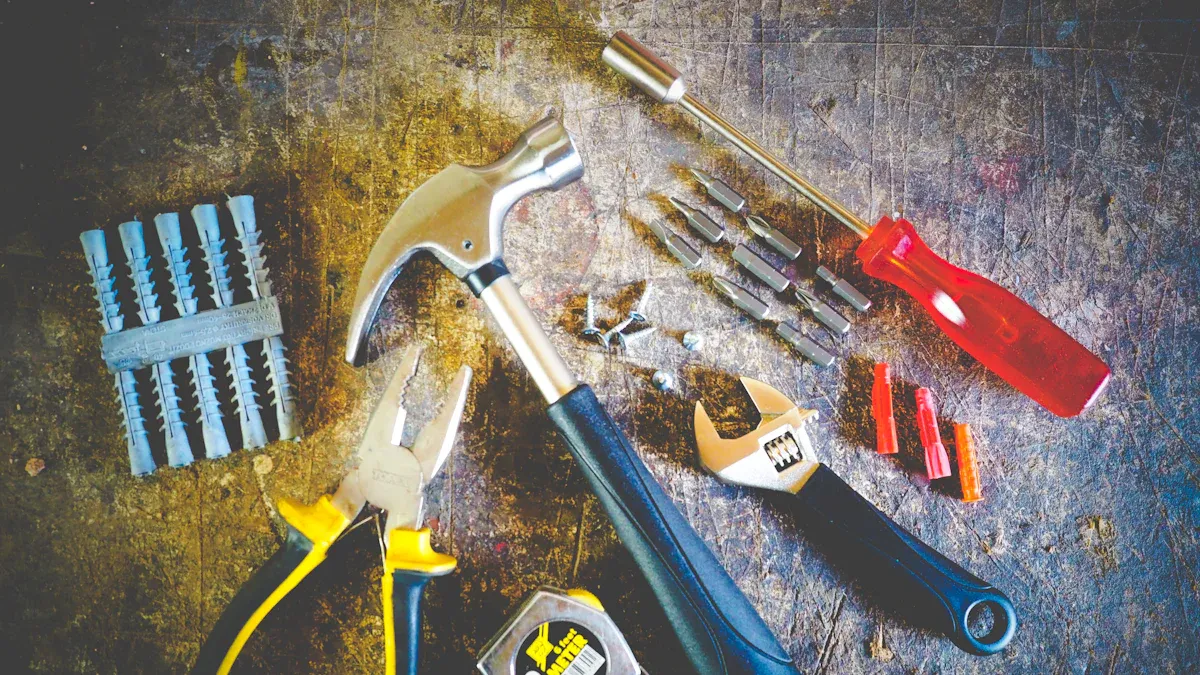
Tool steel is used in many factories and workshops. These tools need to stay sharp and strong for a long time. Tool steel helps you cut, punch, and shape things without getting dull. You find tool steel in dies, punches, and cutting blades. These tools do not wear out fast and keep working well.
Here is a table that shows tool steel grades and what they are used for:
Tool Steel Grade | Common Applications | Valued Properties |
|---|---|---|
AISI D2 | Cold-work dies, punches, cutting tools | High hardness, wear resistance, good toughness |
AISI H13 | Forging, die-casting | High-temperature stability, impact resistance |
AISI O1 | Precision machining, general-purpose tools | Good wear resistance, easy to machine |
AISI S7 | Punches, chisels | Excellent impact resistance, high toughness |
Tool steel makes tools last longer and work better. You get sharp blades and strong punches that do not break or bend.
Tool steel is used to make machine dies and hand tools. These tools must handle stress and keep their shape. Grades like O-1, A-2, and D-2 are good for these jobs. They are hard and easy to work with. You see these steels in drills, knives, and machine parts that do not wear out fast.
Grade | Type | Properties | Applications |
|---|---|---|---|
O-1 | Oil-hardening | High hardness, good machinability | Cutting tools, drills, knives |
A-2 | Air-hardening | Balance of wear resistance and toughness | Blanking punches, mold dies |
D-2 | Oil or air-hardened | High wear resistance, good toughness | Longer tool life, forming dies |
Tool steels help you make tools that last through tough jobs. You get hand tools that do not wear out and keep working every day.
Tip: Pick the right tool steel grade for your job. The best grade gives you toughness and wear resistance.
You can trust tool steel in places with high pressure or heat. Tool steels are strong and do not wear out fast. They work well in tough places like chemical plants and big machines.
Property | Tool Steel | Stainless Steel |
|---|---|---|
Strength | Higher strength and durability | Lower strength |
Corrosion Resistance | Less corrosion-resistant | Superior corrosion resistance |
Maintenance | Needs more care to prevent rust | Easier to maintain |
Applications | High-impact, heavy-duty jobs | Rust-prone environments |
Tool steel is tough and lasts a long time in hard jobs. Stainless steel is better if you need to stop rust. Tool steel is best for machine parts that need to be strong and last long.
Note: Tool steels are made for strength and wear resistance. You use them when you need tools that will not break under pressure.
Tool steel is special because of what is inside it. Its microstructure is strong and helps stop cracks and wear. Special alloying elements like vanadium and molybdenum make the grains stronger. Heat treatment makes sure there are no weak spots in the steel. The right mix of hardness and toughness keeps tools working well. Strict rules during production mean tool steel works the way you need.
Factor | Description |
|---|---|
Microstructure | Fine carbides and grains resist cracking and wear. |
Alloying Elements | Vanadium and molybdenum make grains stronger. |
Heat Treatment | Good heat treatment stops weak spots. |
Balance of Hardness | Right mix of hardness and toughness keeps tools working. |
Production Standards | Strict standards mean you get reliable performance. |
New technology, like powder metallurgy and nanostructured coatings, makes tool steel last longer. These changes help tool steel work better in hard jobs. Experts think more tool steel will be needed for cars and airplanes. New grades and smart ways to make tool steel keep it important for factories.
Cars and planes need stronger tool steel.
New technology helps tool steel do hard work.
Low-carbon grades are better for the environment.
Tool steel will keep helping you build, shape, and create in the future.
You find tool steel much harder and tougher than regular steel. Tool steel resists wear and heat better. You use it for tools that cut, shape, or press other materials.
You look at the job your tool must do. If you need high wear resistance, pick a high-carbon grade. For impact jobs, choose a shock-resistant grade like S7.
You can sharpen tool steel tools with the right equipment. Use a diamond or carbide sharpener. Always follow safety tips and wear gloves.
Tip: Keep your tools clean and dry to help them last longer!
You can recycle tool steel many times. Modern tool steel uses less energy and fewer resources. This helps reduce waste and supports a cleaner environment.