
T: +86-0731-85185770
E: enquiry@qilumetal.com
E: enquiry@qilumetal.com
No. 18 Xiangfu Middle Road,Yuhua District, Changsha City
Views: 0 Author: Site Editor Publish Time: 2025-10-11 Origin: Site


Wear-resistant steel stays strong longer than regular steel. This means you do not have to fix it as often.
Using wear-resistant steel helps save money over time. You spend less on repairs and do not need to replace it much.
This steel makes work safer because it breaks less. Fewer breaks mean fewer accidents at work.
Pick the right grade of wear-resistant steel for your job. This helps you get the best results.
Wear-resistant steel works well for hard jobs. It is great for mining, construction, and making things in factories.
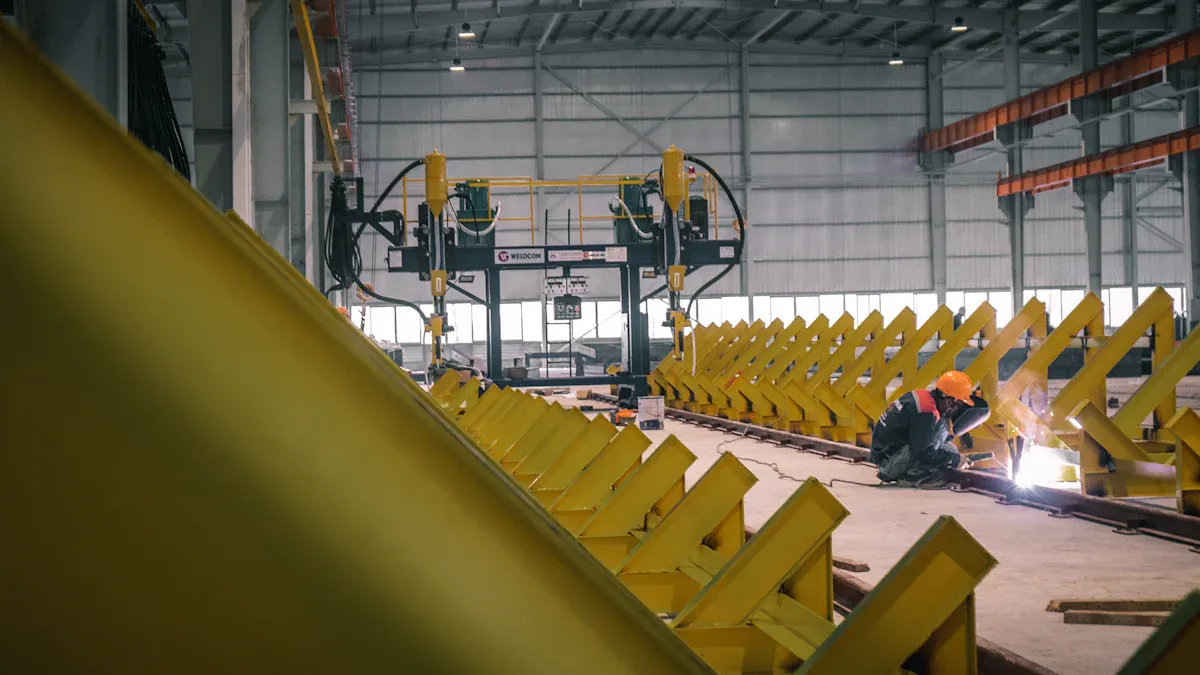
You need strong materials for hard jobs. Wear-resistant steel is made with high-carbon alloys. It also goes through special cooling steps. These make the steel very hard and tough. Abrasion-resistant steel can handle lots of scraping and grinding.
Abrasion-resistant steel is famous for being tough. It does not wear out fast from rubbing or hitting. This steel is made to last in rough places. It works well in mining, building machines, and moving heavy stuff.
The steel’s microstructure and added elements are important. Manganese and chromium make it harder and stronger. Manganese helps the steel resist wearing out. Chromium helps stop rust and makes it last longer. Some types, like durostat and Creusabro®Dual, use titanium. Titanium forms hard carbides that make the steel even tougher.
Here is a table that shows how different steels do in wear tests:
Study | Findings |
|---|---|
Ligier et al. | Hardox 600 lost the least weight in tests. It did better than Hardox 500 and Hardox Extreme. It lost 1.3 to 1.7 times less weight in different soils. |
Olaja et al. | The microstructure and hardness affect how well 15 steels with 400 HB hardness resist wear. |
Yan et al. | Medium-Mn steel lasted almost three times longer than Hardox 400. It did this even though it was not as hard. |
Szala et al. | Hardness changes the way wear marks look. |
Haiko et al. | Harder steel loses less mass after cooling than after heating. Hardness is very important for wear resistance. |
You can see that wear-resistant steels do better than regular steel in hard jobs.
You want steel that can take hits and keep working. Wear-resistant steel has a martensitic microstructure. This makes it hard and able to take impacts. Tempering the steel makes it less brittle and keeps it strong. This helps the steel not crack or break when used a lot.
Martensitic steel’s wear resistance depends on its microstructure. Carbide size and spread matter.
Powder Metallurgy can make the microstructure better. This helps the steel resist wear.
Steel with even, small carbides is very tough. This is good for heavy work.
Creusabro® Dual has a mix of martensite, bainite, and austenite. This mix lets the steel get harder as you use it. The steel gets tougher while it works. You get steel that resists both wearing out and impacts. This makes it great for hard jobs.
Using wear resistant steels means you fix things less. These steels last much longer than regular steel. They are tough, so you do not change parts often. This helps you save money over time. Many companies spend less on repairs after switching to wear resistant steels. Your heavy equipment lasts longer, so you buy fewer new parts.
Companies say wear resistant steels help them and their customers save money. Strong plates make machines last longer, so you do not fix them as much.
Look at the table to see how wear resistant steels need less fixing than regular steel:
Component Type | Maintenance Interval | Performance Impact |
|---|---|---|
Wear-Resistant Steel | Longer intervals | Higher operational efficiency |
Standard Steel | Shorter intervals | Lower operational efficiency |
Steel buildings cost less to keep up than wood or concrete. For example, steel might cost $200 to $500 each year. Wood can cost $2,000 to $4,000 each year. Over 30 years, steel saves you thousands of dollars.
Wear resistant steels help your machines work longer. You do not stop work as much for repairs. This means you finish more jobs and lose less time. Operators using special steel liners, like Martin® Arcoplate™ Alloy 1600, saw less material buildup and almost no wear after months. These results show wear resistant steels help cut down on surprise repairs and keep your equipment running.
You get fewer stops because the steel does not wear out fast.
Less downtime means you save money and finish jobs quicker.
Longer service life in hard jobs helps you stay busy.
You can pick different grades of wear resistant steels, like AR400 or AR500, to fit your budget and needs. Choosing the right grade gives you the best mix of price and performance. Many businesses find these steels help them save money and work better.
You want your machines to work every time. Wear resistance is important for this. Wear-resistant steel gives steady strength and toughness. Your equipment can do hard jobs without breaking. High hardness and strong wear resistance stop scuffs and scratches. These things help your tools last longer.
There are different types of wear resistance. Some steels stop abrasion. Others protect against impacts or heat. You can pick the right steel for your job. This helps you avoid sudden problems and keeps work going.
Special alloys like HPA Cobalt 6B and NITRONIC 60 make machines more reliable. They are strong and resist rust. You find them in oil, gas, fusion, and power plants. NITRONIC 60 is known for its strength and wear resistance. The table below shows how these alloys compare:
Alloy | Key Characteristics | Applications |
|---|---|---|
HPA Cobalt 6B | High strength, corrosion resistant | Oil and gas sector, fusion projects, emergency power plant shutdowns |
NITRONIC 60 | Superior mechanical properties, wear resistance | Critical applications requiring durability |
You want your workplace to be safe. Wear resistance helps you reach this goal. When equipment resists seizing and galling, it breaks down less. This means fewer accidents and safer workers. Cobalt-based alloys resist galling very well. They help stop equipment from failing and keep people safe. Nickel-based alloys and stainless steels do not do as well. They can get damaged more and cause more risk.
Alloy Type | Resistance to Galling | Impact on Workplace Safety |
|---|---|---|
Cobalt-based Alloys | High | Reduces likelihood of equipment failure due to galling |
Nickel-based Alloys | Moderate | More prone to galling, increasing risk of operational hazards |
Stainless Steels | Low | Very prone to galling, leading to significant damage |
Wear resistant steels help you worry less. Your machines keep working, and your team stays safe. Strong wear resistance means fewer surprises and a safer day at work.
Wear-resistant steel has three main benefits for heavy work. It is durable, saves money, and keeps people safe. You can find this steel in mining, construction, and factories. It lasts a long time and helps machines work well.
You do not have to stop work often for repairs.
Your machines stay safe and strong, even in hard jobs.
Experts and workers say it works better and lasts longer.
Application Area | Benefits |
|---|---|
Construction Equipment | Works better, wears out less, lasts longer |
Manufacturing | Needs less fixing, is more reliable |
Pick wear-resistant steel for your next job. You will get good value and results you can trust.
Wear-resistant steel uses special alloys and heat treatments. You get higher hardness and better toughness. This steel lasts longer in tough jobs. Regular steel wears out faster.
You can use wear-resistant steel in mining, construction, and factories. It works well in dump truck beds, bulldozer blades, and chutes. This steel handles heavy loads and rough materials.
Tip: Choose the right grade for your job to get the best results.
You might pay more at first. Over time, you save money because you replace parts less often. Lower maintenance and fewer repairs help you spend less in the long run.
You should check for damage and clean the steel often. Use the right tools for repairs. Avoid harsh chemicals. Good care helps your steel last even longer.
Inspect regularly
Clean after use
Repair with proper tools