
T: +86-0731-85185770
E: enquiry@qilumetal.com
E: enquiry@qilumetal.com
No. 18 Xiangfu Middle Road,Yuhua District, Changsha City
Views: 0 Author: Site Editor Publish Time: 2026-11-12 Origin: Site


An equipment cover has to bend cleanly and tolerate repeated washdowns. A valve component needs a wear-resistant surface in contact with the process fluid. A shaft has to carry a load after machining and heat treatment. All three may be made from stainless steel, but their drawings ask for different things. To choose stainless steel for industrial parts, define the exposure at the finished surface, decide which mechanical property governs the design, and follow the part through fabrication. Those requirements usually narrow the field before the buyer needs to compare individual grades or request material.
Describe the exposure where corrosion is most likely to begin. For a washed equipment cover, that may be a folded edge where cleaning solution remains after the flat face has dried. For a valve, the relevant exposure may include stagnant fluid behind a seat. For a shaft, check whether moisture or residue can collect under a sleeve. Those details can matter as much as the general description of the plant environment.
Record the chemicals that touch the part, including the concentration and temperature of cleaning solutions where applicable. Note wet–dry cycles, chloride exposure, operating temperature, and areas that are hard to rinse or drain. Surface finish, weld condition, and the presence of crevices affect local exposure. If the grade depends on a particular cleaning or finishing practice, put that information in the design review.
Distinguish corrosion damage from mechanical wear while assessing an existing part. Discoloration distributed across a surface, pits under a deposit, and scoring along a moving contact are different observations. Ask for images of the damage, the service fluid, and the cleaning sequence before changing materials. That record also helps the purchaser understand why an apparently similar grade may be unsuitable at one location.
Choose the family that best matches the combination of environment, mechanical demand, and fabrication route. The family gives a useful starting point. The actual grade, product form, and material condition determine what can be ordered and verified.
Stainless steel selection by service and fabrication requirement
Family | Reason to evaluate it | What to check next |
|---|---|---|
Austenitic | Formed or welded parts that need corrosion resistance and ductility | Chloride exposure, finish, and weld condition |
Ferritic | Selected sheet parts where formability and the service environment suit the grade | Draw severity, welded section, and corrosion requirements |
Martensitic | Components where hardening can provide required wear or contact performance | Corrosion exposure, final hardness, and weldability |
Duplex | Parts that need strength and corrosion resistance in a challenging environment | Grade-specific exposure limits, availability, and welding controls |
Precipitation hardening | Machined parts that need high strength in a specified aged condition | Strength, toughness, exposure, and the sequence of machining and aging |
Use the table to screen alternatives before comparing costs. A grade that forms easily can reduce the work required for a cover. A heat-treatable grade can meet a shaft or valve requirement that depends on the final condition. Each comparison should be based on the same drawing and exposure assumptions.
Start with 304 stainless steel where the environment is compatible with the grade. Hunan Qilu Steel lists 304 sheet and plate options. For the cover, select the stock form and thickness around the bend geometry, stiffness, and joining method. Identify the visible surface and the areas where the design needs a finish that can be cleaned effectively. More aggressive cleaning chemistry or chloride exposure warrants a fresh corrosion review.
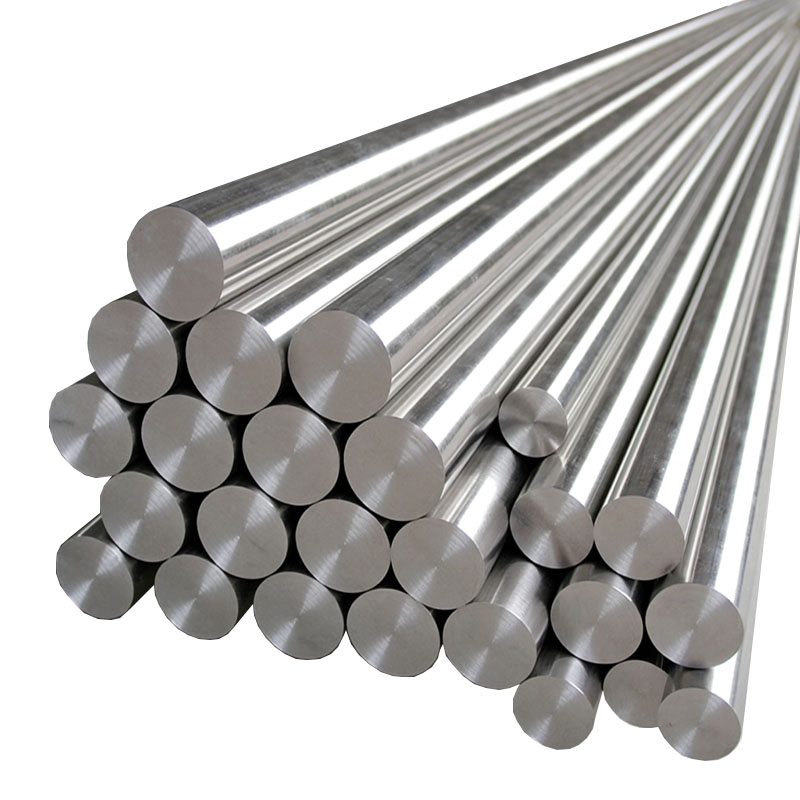
Consider 410 martensitic stainless steel when the component needs a hardened condition and the process fluid is compatible. Write down whether the drawing needs a hardness at the contact surface or through the part, then review how the component will be machined and heat treated. If corrosion is severe, evaluate it before committing to a grade on the basis of wear performance.
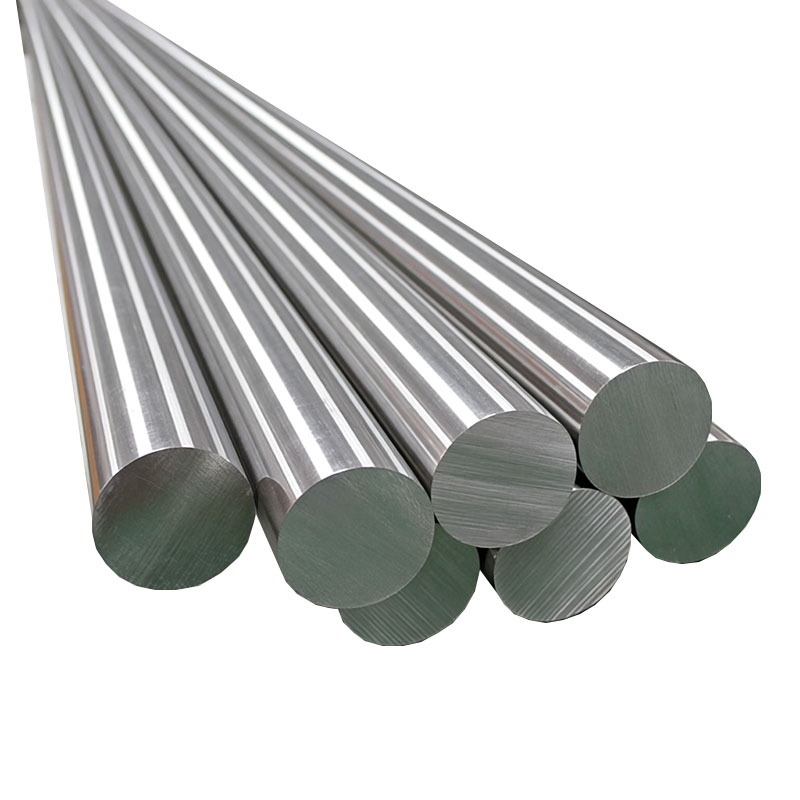
Evaluate 17-4 PH stainless steel when the shaft needs high strength in a specified aged condition. Qilu lists both hot-rolled and forged bar. Choose the starting diameter by working backward from the largest finished section, the centerline, and the material needed for cleanup. Agree which operations occur before aging and which features are finish-machined afterward. That sequence affects the dimensions the machinist can control.
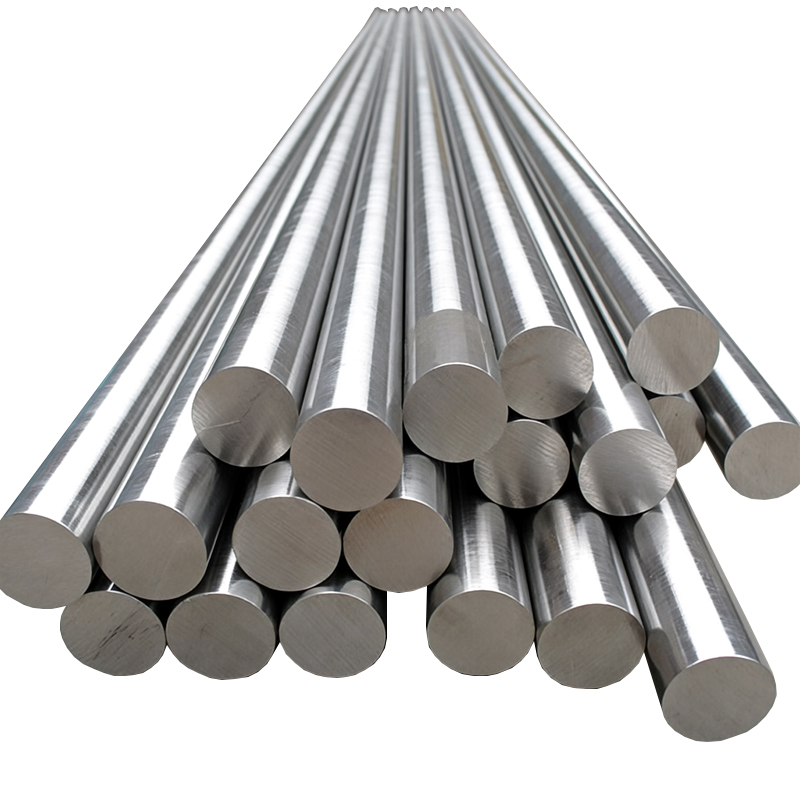
Specify the condition in which the finished part must perform. On a welded cover, include the finish around seams and corners where deposits can remain. On a hardened valve component, plan the machining sequence and verify the final hardness in a meaningful location. On a shaft, make sure the required 17-4 PH aging condition and any post-aging dimensional checks are communicated to both the supplier and the machinist.
Review how the specified strength, corrosion performance, and dimensional tolerances are affected by the fabrication route. A change in stock form can alter available dimensions and mechanical property requirements under the governing specification. A change in heat-treatment condition can alter the machining plan. Ask engineering to approve changes while the material is still at the order stage.
For the cover, consider the seam before ordering the finish. A finish that looks uniform on flat stock may need additional work around a welded corner. If drainage and cleaning depend on the corner geometry, the drawing should define the seam and finished surface in enough detail for the fabricator to reproduce them. On a formed part, check that the selected thickness and bend can be produced in the chosen material condition before committing to a complete purchase.
For the valve component, write down where wear matters. A wear-facing seat and an exposed stem can have different mechanical and corrosion demands even when they form part of the same assembly. If a hardened 410 component is being considered, identify the surface and condition whose hardness will be checked. Confirm that the machining and heat-treatment steps leave enough material to finish the contact geometry after any dimensional change.
For the 17-4 PH shaft, agree whether the production team will rough-machine the bar, age it, and finish the bearing locations afterward, or use a different sequence approved for the drawing. The timing affects which dimensions the supplier controls and which belong to the machining operation. A quotation should identify that division of work clearly enough that the buyer can compare offers for the same stage of completion.
State the exact grade and governing specification, then add the product form, dimensions, delivery condition, and surface finish. Identify applicable dimensional tolerances and the material documents needed at receipt. Where the order calls for mechanical test results, make clear which condition and product section the values must represent.
For the cover, the purchase specification should identify the sheet or plate and its surface condition. For the valve component, it should say whether the supplier delivers stock for downstream hardening or material in an agreed condition. For the shaft, make the bar dimensions, material condition, and required documentation explicit. These details allow competing offers to be compared on the basis of the same material and work scope.
Give the buyer a place to record unresolved requirements on the stainless steel specification. For example, if the cleaning chemistry for the formed cover is still being chosen, record which exposure assumptions were used to shortlist 304. That makes the decision easy to revisit when operating conditions are confirmed and keeps an early material choice from becoming an unexamined drawing requirement.
Choose stainless steel by following the part from exposure through fabrication to the condition required in service. The formed cover depends on a suitable corrosion environment and a formable stock product. The valve component adds a hardness and wear requirement. The loaded shaft adds a specific strength and aging condition. Hunan Qilu Steel manufactures and supplies stainless stock in several forms, so the purchase specification can identify the grade and the starting material together. Write the requirements in terms the supplier, fabricator, and inspector can each verify.
Evaluate 304L when the fabrication involves welding and resistance to sensitization is relevant to the service. Confirm the applicable product specification and what the drawing requires from the finished weld area.
Magnet response can help screen some materials, but it cannot establish a grade. Cold work can also affect the response of some austenitic stainless steels. Use traceable records or an appropriate material identification test.
Compare 316 where chlorides raise concern about localized corrosion. Include concentration, temperature, deposits, and crevice geometry in the review because those factors influence suitability in service.
It designates an aging condition. Review the applicable specification for the mechanical properties required in that condition and for the ordered product form.