T: +86-0731-85185770
E: enquiry@qilumetal.com
E: enquiry@qilumetal.com
No. 18 Xiangfu Middle Road,Yuhua District, Changsha City
 |


| Quantity: | |
|---|---|
P20
Qilu
P20 steel is a widely‑used chromium‑molybdenum pre‑hardened alloy mold steel, engineered for medium‑to‑large plastic mold manufacturing. Supplied in quenched‑and‑tempered state, it avoids post‑machining heat‑treatment distortion, shortening mold‑making cycles and lowering production risks for toolmakers.
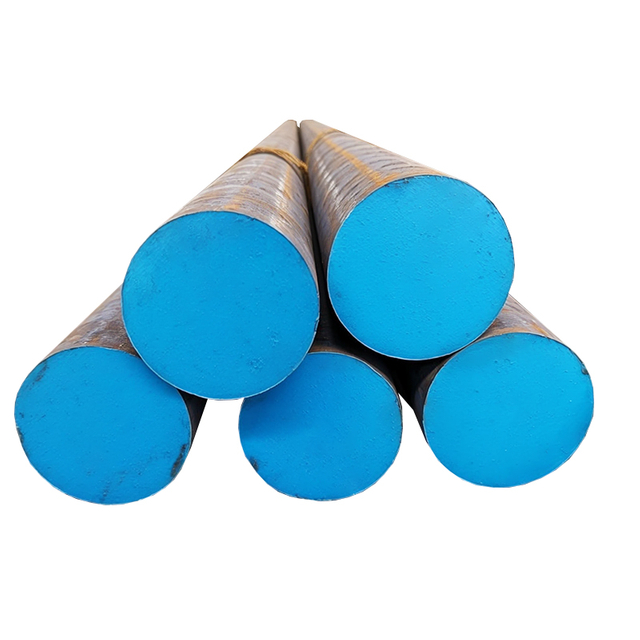
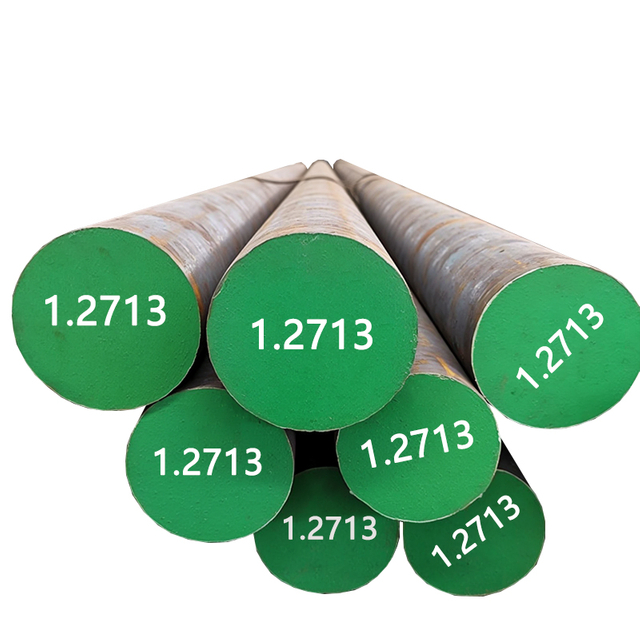
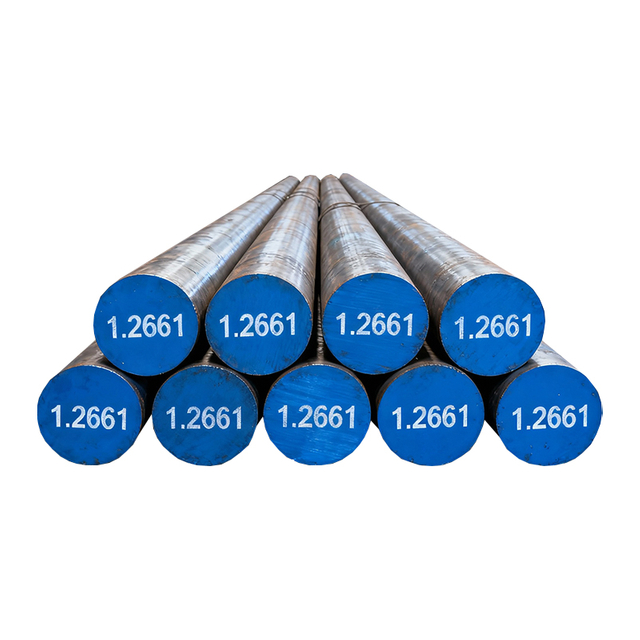
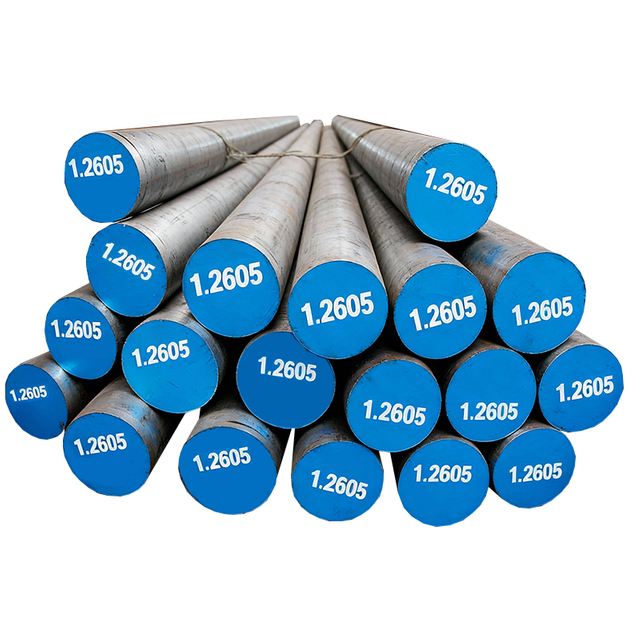
Our P20 material adopts vacuum degassing smelting, delivering stable through‑section hardness, fine and homogeneous microstructure, reliable polishing and texturing performance. Available in steel plates, forged blocks, round bars, flat bars, all can be ultrasonic tested according to customer requirements.
Country | China | Germany | USA |
Standard | GB/T 1299 | DIN 17350 | ASTM A681 |
Grade | 3Cr2Mo | 40CrMnMo7/1.2311 | P20 |
Grade | C | Si | Mn | Cr | Mo | P | S | Ni |
3Cr2Mo | 0.28-0.40 | 0.20-0.80 | 0.60-1.00 | 1.40-2.00 | 0.30-0.55 | 0.030Max | 0.030Max | 0.85-1.15 |
| P20 | 0.28-0.40 | 0.20-0.80 | 0.60-1.00 | 1.40-2.00 | 0.30-0.55 | 0.030Max | 0.030Max | / |
| Property | Value |
| Density | 7.80‑7.85 g/cm³ (0.284 lb/in³) |
| Specific Gravity | 7.86 |
| Modulus of Elasticity | 207 GPa (30 × 10⁶ psi) |
| Thermal Conductivity | 41.5 W/m·K (24 Btu/ft/hr/°F) at 70°F |
| Specific Heat Capacity | 470 J/kg·K |
| Melting Point (Liquidus) | ~1460°C |
| Property | Value |
| Delivery Hardness | 29‑36 HRC (285‑340 HB) |
| Tensile Strength | 540‑1050 MPa (typical: ~1000 MPa) |
| Yield Strength | ~860 MPa |
| Poisson's Ratio | 0.29 |
| Machinability | 60‑65% of 1% carbon steel (DIN: ~80% of W‑group) |
| Temperature Range (°C) | Expansion (mm/mm/°C × 10⁻⁶) |
| 20‑100 | 11.7 |
| 20‑200 | 12.0‑12.3 |
| 20‑300 | 12.9‑13.0 |
| 20‑400 | 13.3 |
| 20‑500 | 13.7 |
| Tempering Temperature (°C) | Hardness (HRC) |
| 100 | 52 |
| 200 | 51 |
| 300 | 49 |
| 400 | 46 |
| 500 | 42 |
| 600 | 36 |
| 700 | 28 |
P20 is normally used in pre‑hardened delivery condition. Bulk re‑quenching is not recommended for finished mold parts.
Forging: Heating 1100‑1150 ℃, start forging 1050‑1100 ℃, stop forging ≥850 ℃, slow cooling after forging.
Annealing: 840‑860 ℃ hold 2‑4 h, furnace cool for stress relief.
Nitriding: 510‑530 ℃; surface hardness reaches 650‑750 HV, nitrided layer 0.25‑0.50 mm, improves wear resistance for mold cavity surface.
Product type | Size range | Length |
Hot rolled bar | Φ10-Φ190mm | 2000-5800mm |
Hot forged bar | Φ200-Φ600mm | 2000-5800mm |
Hot rolled plate/sheet | T:10-60mm; W:310-810mm | 2000-5800mm |
Hot forged plate | T:70-250mm; W:310-810mm | 2000-5800mm |
Hot Forged block | T: 260-500mm; W: 300-1000mm | 2000-5800mm |
Surface Finish | Turned | Milled | Grinding(Best) | Polished(Best) | Peeled(Best) | Black Forged | Black Rolled |
Tolerance | +0/+3mm | +0/+3mm | +0/+0.05mm | +0/+0.05mm | +0/+0.1mm | +0/+5mm | +0/+1mm |
Straighness | 1mm/1000mm max. | 3mm/1000mm max. | |||||
Medium & large plastic injection mold cavities & cores
Blow molds, compression molds, transfer molding dies
Extrusion molds for plastic & rubber products
Zinc, lead, tin low‑melting‑point alloy die‑casting dies
Mold base plates, backup blocks and mold frames
Thermoforming molds, shoe‑mold tooling
Prototype‑to‑medium‑volume plastic tooling
A1: No. P20 is delivered pre‑hardened. Re‑quenching after machining will cause dimensional distortion and cracking risk.
A2: 1.2738(P20+Ni) adds nickel element, better hardenability for extra‑large‑size blocks; P20(1.2311) is cost‑effective for regular‑section molds.
A3: Yes. High‑purity P20 can achieve high‑gloss polishing, but not for optical‑grade ultra‑mirror requirements; select S136 series for optical‑transparent parts.
A4: 45# is ordinary carbon steel with unstable hardness, poor polishing performance and high deformation risk, only fit for simple mold bases. P20 is professional pre‑hardened mold steel with fine microstructure, consistent hardness, good polishing & etching property, no heat‑treatment distortion. It is used for precision mold cavities and cores with far better stability and service life.
All our P20 products are supplied with full traceability and certified to international standards. Contact us to discuss your specific requirements and benefit from our decades of mold steel experience.