English 
T: +86-0731-85185770
E: enquiry@qilumetal.com
E: enquiry@qilumetal.com
No. 18 Xiangfu Middle Road,Yuhua District, Changsha City
 |


| Quantity: | |
|---|---|
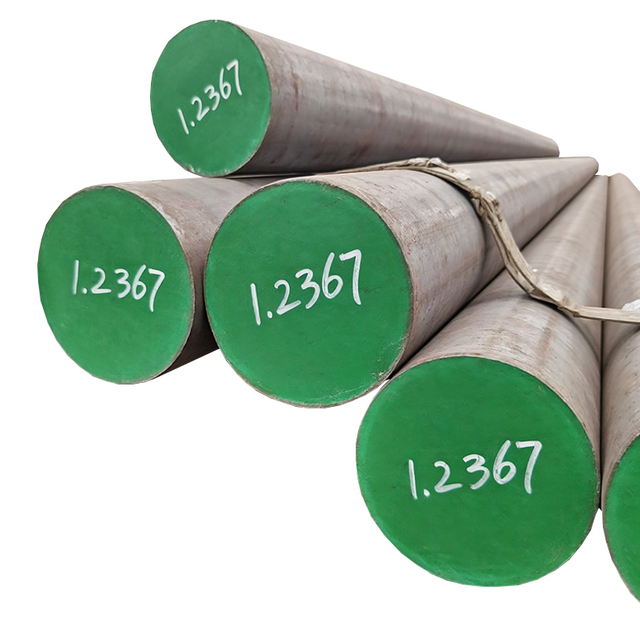
X100CrMoV5 / 1.2363 is a widely used high-carbon, high-chromium cold work tool steel according to the German standard DIN EN ISO 4957. It is known for its high hardness, excellent wear resistance, good hardenability, and certain corrosion resistance. After proper heat treatment, this steel grade can maintain excellent dimensional stability, making it suitable for high-load precision molds and cutting tools. Due to its outstanding performance, many countries have established equivalent steel grades, such as the American A2 (ASTM A681), the Japanese SKD12 (JIS G4404), and the Chinese Cr5Mo1V (GB/T 1299).
Steel grade 1.2363 contains high levels of carbon and chromium, with additions of molybdenum and vanadium. These elements are key to forming hard carbides, improving wear resistance, and enhancing secondary hardening capability. The chromium content significantly increases the steel's hardenability and corrosion resistance, while the addition of molybdenum and vanadium refines the grain structure, improves toughness, and enhances high-temperature performance. This makes it highly suitable for applications that require high durability, high precision, and good resistance to tempering softening.
1: Steel equivalent
Country | ISO | Germany | China | Japan | USA |
Standard | ISO 4957 | DIN 17350 | GB/T 1299 | JIS G4404 | ASTM A681 |
Grade | X100CrMoV5 | X100CrMoV5/1.2363 | Cr5Mo1V | SKD12 | A2 |
2: Chemical composition
Grade | C | Si | Mn | Cr | Mo | P | S | V |
Cr5Mo1V | 0.95-1.05 | 0.50Max | 1.00Max | 4.75-5.50 | 0.90-1.40 | 0.030Max | 0.030Max | 0.15-0.50 |
X100CrMov5/ 1.2363 | 0.95-1.05 | 0.10-0.40 | 0.40-0.80 | 4.80-5.50 | 0.90-1.20 | 0.030Max | 0.030Max | 0.15-0.35 |
SKD12 | 0.95-1.05 | 0.10-0.40 | 0.40-0.80 | 4.80-5.50 | 0.90-1.20 | 0.030Max | 0.030Max | 0.15-0.35 |
A2 | 0.95-1.05 | 0.10-0.50 | 0.40-1.00 | 4.75-5.50 | 0.90-1.40 | 0.030Max | 0.030Max | 0.15-0.50 |
3: Surface hardness and hardenability
Heat Treatment | Hardness |
Annealed (+A) | HB241Max |
| Cold-drawn condition | HB262Max |
| Quenched and tempred (+QT) | HRC28-32(Common Range) |
4: Supply size & Tolerance & Stock size
Product type | Size range | Length |
Hot rolled bar | Φ10-Φ190mm | 2000-5800mm |
Hot forged bar | Φ200-Φ600mm | 2000-5800mm |
Hot rolled plate/sheet | T:10-60mm; W:310-810mm | 2000-5800mm |
Hot forged plate | T:70-250mm; W:310-810mm | 2000-5800mm |
Hot Forged block | T: 260-500mm; W: 300-1000mm | 2000-5800mm |
Surface Finish | Turned | Milled | Grinding(Best) | Polished(Best) | Peeled(Best) | Black Forged | Black Rolled |
Tolerance | +0/+3mm | +0/+3mm | +0/+0.05mm | +0/+0.05mm | +0/+0.1mm | +0/+5mm | +0/+1mm |
Straighness | 1mm/1000mm max. | 3mm/1000mm max. | |||||
For 1.2363 steel, because we don’t use them in domestic market, so there is no stocks for that material.
5: Ultrasonic Test
EN10228-3 class III or Sep 1921-84 D/D
6:Steel making & Forging processing
1): Steel making process:
EF+LF+VD
EAF+LF+VD
EF+LF+VD+ESR
EAF+LF+VD+ESR
2): Forging processing:
Preheat temperature:700-800℃
Initial temperature: 1050-1100℃
Final temperature: 850-900℃
Cooling in the furnace or in the sand
7: Heat treatment
1): Annealed:
Heat 1.2363 steel to 840-860℃
Cooling in the furnace slowly
2): Quenching and tempering:
Preheat Temperature: 788℃
Heat 1.2363 steel to 960-980℃ in the salt bath furnace
Quench in the air
Temper steel at 170-190℃ in the furnace
Cooling in the air.


Above curve in figure is a rough guide to the tempering behaviour of steels.
8:Application
1.2363, as a high-performance high-carbon, high-chromium cold work tool steel, boasts extensive applications. Its core characteristics—exceptional wear resistance, good toughness, and outstanding hardenability—make it a preferred material in numerous demanding industrial scenarios. Below are its typical primary application areas and specific uses:
1. Cold work dies
Cutting Dies: Precision punching dies, hole punching dies, blanking dies
Forming Dies: Bending dies, drawing dies, flanging dies
Imprinting Dies: Used for coinage, badges, jewelry, and other applications requiring extreme surface detail and finish
Cold Forging Dies and Extrusion Dies: For manufacturing standard fasteners like screws, bolts, and rivets
2. Cutting Tools and Measuring Instruments
Cutting Tools: High-performance shearing blades, paper cutters, plastic shredder blades, metal cutting tools
Measuring Instruments: Plug gauges, ring gauges, templates, and other precision measuring tools
3. Wear-Resistant Components
Guide Components: Guide pins and bushings in molds
Bushings, Bearings
Rollers, Rollers
X100CrMoV5 / 1.2363 is a widely used high-carbon, high-chromium cold work tool steel according to the German standard DIN EN ISO 4957. It is known for its high hardness, excellent wear resistance, good hardenability, and certain corrosion resistance. After proper heat treatment, this steel grade can maintain excellent dimensional stability, making it suitable for high-load precision molds and cutting tools. Due to its outstanding performance, many countries have established equivalent steel grades, such as the American A2 (ASTM A681), the Japanese SKD12 (JIS G4404), and the Chinese Cr5Mo1V (GB/T 1299).
Steel grade 1.2363 contains high levels of carbon and chromium, with additions of molybdenum and vanadium. These elements are key to forming hard carbides, improving wear resistance, and enhancing secondary hardening capability. The chromium content significantly increases the steel's hardenability and corrosion resistance, while the addition of molybdenum and vanadium refines the grain structure, improves toughness, and enhances high-temperature performance. This makes it highly suitable for applications that require high durability, high precision, and good resistance to tempering softening.
1: Steel equivalent
Country | ISO | Germany | China | Japan | USA |
Standard | ISO 4957 | DIN 17350 | GB/T 1299 | JIS G4404 | ASTM A681 |
Grade | X100CrMoV5 | X100CrMoV5/1.2363 | Cr5Mo1V | SKD12 | A2 |
2: Chemical composition
Grade | C | Si | Mn | Cr | Mo | P | S | V |
Cr5Mo1V | 0.95-1.05 | 0.50Max | 1.00Max | 4.75-5.50 | 0.90-1.40 | 0.030Max | 0.030Max | 0.15-0.50 |
X100CrMov5/ 1.2363 | 0.95-1.05 | 0.10-0.40 | 0.40-0.80 | 4.80-5.50 | 0.90-1.20 | 0.030Max | 0.030Max | 0.15-0.35 |
SKD12 | 0.95-1.05 | 0.10-0.40 | 0.40-0.80 | 4.80-5.50 | 0.90-1.20 | 0.030Max | 0.030Max | 0.15-0.35 |
A2 | 0.95-1.05 | 0.10-0.50 | 0.40-1.00 | 4.75-5.50 | 0.90-1.40 | 0.030Max | 0.030Max | 0.15-0.50 |
3: Surface hardness and hardenability
Heat Treatment | Hardness |
Annealed (+A) | HB241Max |
| Cold-drawn condition | HB262Max |
| Quenched and tempred (+QT) | HRC28-32(Common Range) |
4: Supply size & Tolerance & Stock size
Product type | Size range | Length |
Hot rolled bar | Φ10-Φ190mm | 2000-5800mm |
Hot forged bar | Φ200-Φ600mm | 2000-5800mm |
Hot rolled plate/sheet | T:10-60mm; W:310-810mm | 2000-5800mm |
Hot forged plate | T:70-250mm; W:310-810mm | 2000-5800mm |
Hot Forged block | T: 260-500mm; W: 300-1000mm | 2000-5800mm |
Surface Finish | Turned | Milled | Grinding(Best) | Polished(Best) | Peeled(Best) | Black Forged | Black Rolled |
Tolerance | +0/+3mm | +0/+3mm | +0/+0.05mm | +0/+0.05mm | +0/+0.1mm | +0/+5mm | +0/+1mm |
Straighness | 1mm/1000mm max. | 3mm/1000mm max. | |||||
For 1.2363 steel, because we don’t use them in domestic market, so there is no stocks for that material.
5: Ultrasonic Test
EN10228-3 class III or Sep 1921-84 D/D
6:Steel making & Forging processing
1): Steel making process:
EF+LF+VD
EAF+LF+VD
EF+LF+VD+ESR
EAF+LF+VD+ESR
2): Forging processing:
Preheat temperature:700-800℃
Initial temperature: 1050-1100℃
Final temperature: 850-900℃
Cooling in the furnace or in the sand
7: Heat treatment
1): Annealed:
Heat 1.2363 steel to 840-860℃
Cooling in the furnace slowly
2): Quenching and tempering:
Preheat Temperature: 788℃
Heat 1.2363 steel to 960-980℃ in the salt bath furnace
Quench in the air
Temper steel at 170-190℃ in the furnace
Cooling in the air.
Above curve in figure is a rough guide to the tempering behaviour of steels.
8:Application
1.2363, as a high-performance high-carbon, high-chromium cold work tool steel, boasts extensive applications. Its core characteristics—exceptional wear resistance, good toughness, and outstanding hardenability—make it a preferred material in numerous demanding industrial scenarios. Below are its typical primary application areas and specific uses:
1. Cold work dies
Cutting Dies: Precision punching dies, hole punching dies, blanking dies
Forming Dies: Bending dies, drawing dies, flanging dies
Imprinting Dies: Used for coinage, badges, jewelry, and other applications requiring extreme surface detail and finish
Cold Forging Dies and Extrusion Dies: For manufacturing standard fasteners like screws, bolts, and rivets
2. Cutting Tools and Measuring Instruments
Cutting Tools: High-performance shearing blades, paper cutters, plastic shredder blades, metal cutting tools
Measuring Instruments: Plug gauges, ring gauges, templates, and other precision measuring tools
3. Wear-Resistant Components
Guide Components: Guide pins and bushings in molds
Bushings, Bearings
Rollers, Rollers